Celery

Celery

  • HS Code: 070700
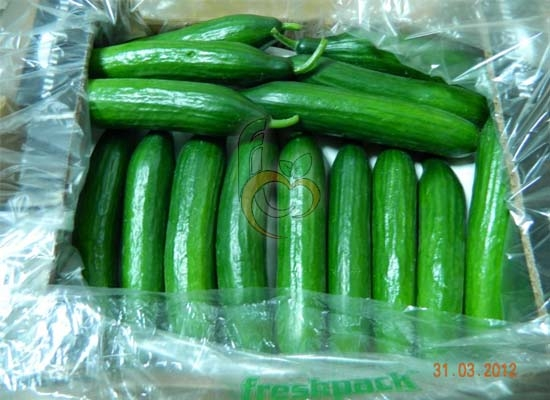
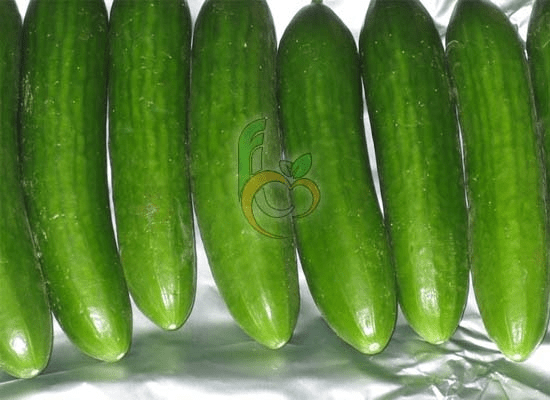
    Product: Egyptian Celery
    Variety: Dark Green.
    Sizes: Length 5 ~ 10 CM
    Packaging: 5 Kg Carton – Bulk pack
    Availability: Around year
    Shipping: Air Shipment.

Celery has been cultivated as a vegetable since antiquity. Celery has a long, hairy stalk. Depending on location and cultivar, either its stalks, leaves, or hypocotyls are eaten and used in cooking.

Celery seed is also used as a spice; its extracts are used in medicines

Celery leaves are pinnate to bipinnate with rhombic leaflets 3–6 cm (1.2–2.4 in) long and 2–4 cm broad. The flowers are creamy-white, 2–3 mm in diameter, and are produced in dense compound umbels. The seeds are broad ovoid to globose, 1.5–2 mm long and wide. Modern cultivars have been selected for solid petioles, leaf stalks. A celery stalk readily separates into “strings,” which are bundles of angular collenchyma cells exterior to the vascular bundles

Celery-Fruitlink-Vegetables-Export-Import-Egypt

HS Code: 070700
Product: Egyptian Celery
Variety: Dark Green.
Sizes: Length 5 ~ 10 CM
Packaging: 5 Kg Carton – Bulk pack
Availability: Around year
Shipping: Air Shipment.

Celery has been cultivated as a vegetable since antiquity. Celery has a long, hairy stalk. Depending on location and cultivar, either its stalks, leaves, or hypocotyls are eaten and used in cooking.

Celery seed is also used as a spice; its extracts are used in medicines

Celery leaves are pinnate to bipinnate with rhombic leaflets 3–6 cm (1.2–2.4 in) long and 2–4 cm broad. The flowers are creamy-white, 2–3 mm in diameter, and are produced in dense compound umbels. The seeds are broad ovoid to globose, 1.5–2 mm long and wide. Modern cultivars have been selected for solid petioles, leaf stalks. A celery stalk readily separates into “strings,” which are bundles of angular collenchyma cells exterior to the vascular bundles